

How Problem Gambling Coaching Services in the UK Help Players Navigate the Risks of Online Betting, Including Trends Like the Best Crypto Casinos in 2026
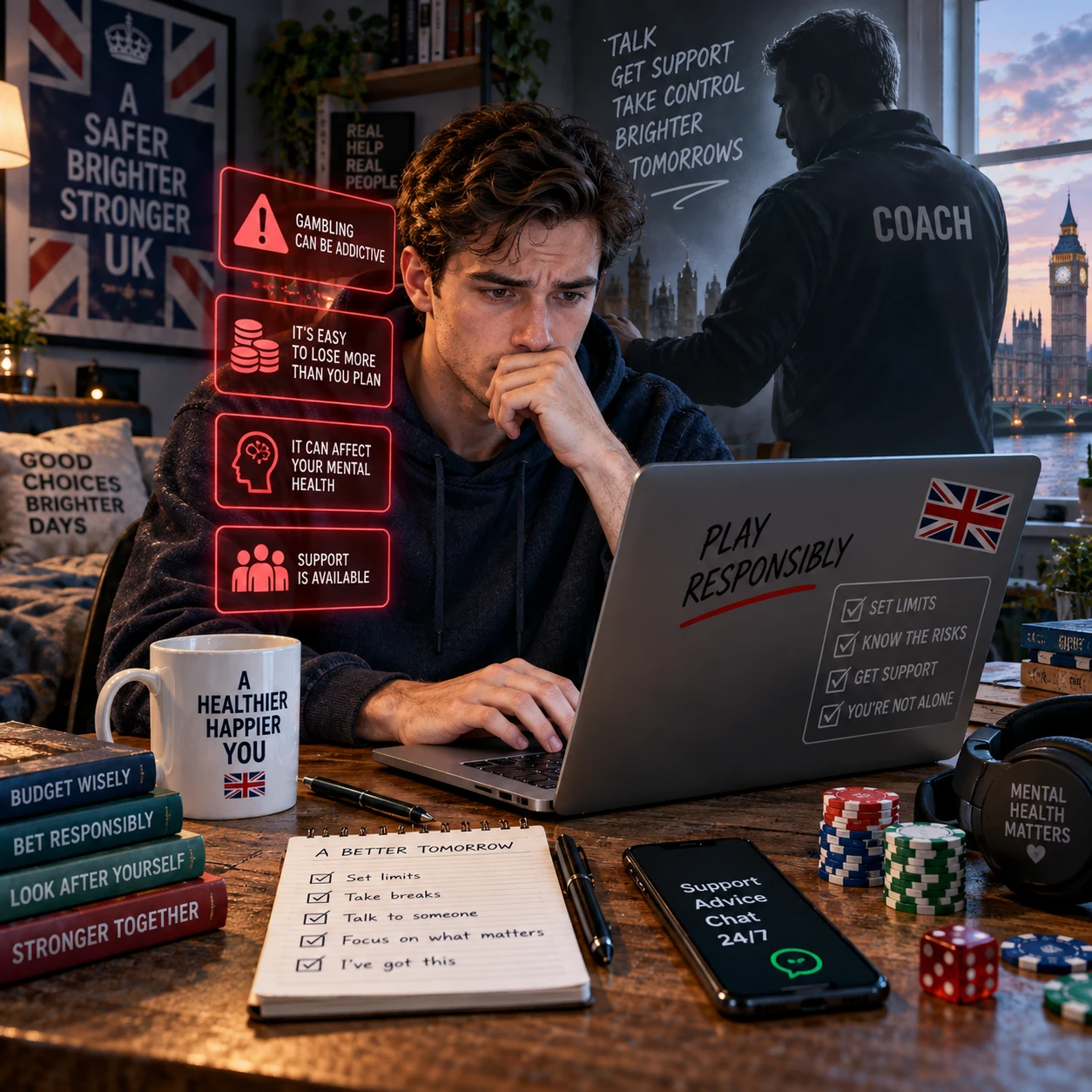
I've spent a good chunk of the last few years talking to people across the UK who've found themselves tangled up in online betting in ways they never expected. What strikes me most isn't that gambling has gotten more dangerous overnight—it's that it's gotten more everywhere. A decade ago, if you wanted to place a bet, you walked into a shop, dealt with a cashier, and that friction gave you a moment to think. Now your phone buzzes with a free bet offer while you're standing in a supermarket queue. That shift from physical to digital, and now increasingly to crypto-based platforms, is exactly why problem gambling coaching has become such a necessary service in 2026.
The Rising Complexity of Online Betting in the UK
Online gambling in Britain has gone through several distinct phases. First came the basic sportsbook websites, then came mobile apps designed with the same psychological hooks as social media. Live casino streaming followed, bringing the atmosphere of a Vegas floor into someone's bedroom at 2am. Now we're watching crypto casinos edge into the mainstream, offering speed and a veneer of privacy that traditional operators simply can't match. Each layer adds convenience for the casual bettor but also adds another avenue for things to spiral for someone who's struggling. This is precisely why specialised, up-to-date support has become so important—generic advice from a decade ago just doesn't cover what people are facing today.
What Is Problem Gambling Coaching?
Problem gambling coaching isn't therapy, and it isn't a 12-step programme either—though it can work alongside both. It's a practical, structured relationship focused on behaviour change. A coach works with you to identify the specific triggers that lead to a betting session, build concrete tools to interrupt that pattern, and hold you accountable week to week. There's less digging into childhood and more focus on 'what happened last Tuesday night when you deposited £200 at 1am, and what are we doing differently this Tuesday.'
How Coaching Differs from Traditional Support Services
GPs and helplines like GamCare offer vital first points of contact, and residential treatment exists for the most severe cases. But coaching fills a gap in between—it's ongoing, personalised, and action-oriented. Rather than a one-off call or a diagnosis, you get a tailored plan: specific blocking software recommendations, deposit limit strategies, and regular check-ins that adapt as your circumstances change, including when new temptations like crypto platforms enter the picture.
Why Online Betting Poses Unique Risks
Physical betting shops close. Apps don't. That 24/7 accessibility alone changes the risk profile completely. Add instant deposits via linked cards or e-wallets, gamified app interfaces with loyalty points and level-ups, and marketing that follows you across every app you open, and you've got an environment engineered to erode self-control. Coaches I know spend a lot of time just helping clients recognise how deliberately these platforms are designed to keep them engaged—it's not weak willpower, it's sophisticated product design working against you.

Emerging Trends Coaches Must Address — Crypto Casinos and Beyond
One of the biggest shifts I've seen discussed in coaching circles this year is the rise of crypto gambling. Players drawn by faster payouts, perceived anonymity, and eye-catching promotions often go searching for the best crypto casinos without fully understanding what they're stepping into. These platforms often operate outside UK Gambling Commission oversight, which means the usual safety nets—self-exclusion schemes, mandatory affordability checks, dispute resolution—simply aren't there. A good coach doesn't just tell someone 'don't do it.' Instead, they help clients slow down, examine why a particular platform feels appealing, and weigh that against the very real regulatory and financial risks involved.
The Appeal and Dangers of Crypto Gambling Platforms
It's not hard to see the pull. Transactions clear in minutes, there's no bank statement flagging 'gambling transaction' to a partner or family member, and bonus structures can look extremely generous. But the dangers are substantial: currency volatility means your balance can shrink even without placing a bet, there's little to no formal recourse if a platform refuses a withdrawal, and the lack of transaction transparency makes it brutally easy to lose track of actual spending. For someone already struggling with control, these features aren't a safer alternative—they're often a more hidden, less accountable version of the same problem.
How Coaches Help Clients Navigate New Betting Technologies
Practical coaching work in this space looks like setting hard deposit and loss limits before temptation hits, installing and genuinely using blocking software across every device, and mapping out personal triggers—stress, boredom, payday, loneliness—so clients can see a session coming before it starts. When crypto platforms enter the conversation, coaches often help clients build a simple pause-and-reflect habit: before signing up anywhere new, write down why, what the worst-case outcome looks like, and who you'd tell if things went wrong. That small delay breaks a surprising number of impulsive decisions.
Building Financial and Emotional Resilience
Underneath most betting struggles there's an emotional driver—escape, excitement, control, numbness. Coaching sessions spend real time on identifying that driver and finding non-gambling ways to meet the same need. On the financial side, this often means separating bank accounts, automating savings transfers on payday, and building a realistic budget that accounts for the fact that recovery isn't linear. Resilience isn't about never feeling the urge; it's about having a plan ready when the urge shows up.
Common Mistakes Players Make When Trying to Quit or Cut Back
- Switching to a 'safer-seeming' platform—like moving from a mainstream bookmaker to crypto casinos—believing the change itself solves the underlying problem
- Underestimating how strong triggers become during stressful weeks, paydays, or late at night
- Relying purely on willpower rather than structural tools like blocking software or spending limits
- Keeping the struggle private instead of building any accountability structure
- Assuming self-exclusion from one site is enough, without addressing the dozens of other platforms available
Choosing the Right Coaching Support in the UK
If you're looking for a coach, I'd suggest checking a few things first: do they have genuine training or accreditation in behavioural change work, do they understand modern digital and crypto gambling trends rather than just traditional betting shops, and do they offer clear confidentiality alongside a structured, ongoing accountability framework rather than a single session and goodbye. The best coaching relationships feel collaborative, not lecture-based—you should leave each session with something concrete to try, not just a pep talk.
Conclusion
The gambling landscape in the UK keeps shifting, and 2026 has made that clearer than ever with crypto casinos becoming part of the conversation alongside apps, live betting, and everything else. What hasn't changed is that structured, modern support makes a real difference. If online betting—whatever form it's taking for you right now—feels like it's slipping out of your control, reaching out to a coach who understands today's digital risks isn't a last resort. It's a practical, sensible first step.